Gallbladder Infection in Cats
Persistent or recurrent bladder infections may warrant an abdominal x-ray or ultrasound to look for the presence of calculi in the bladder. A thickened gallbladder wall was defined as 1 mm in cats and 2 mm in dogs1516 Gallbladder wall edema was defined as a thick-ened gallbladder wall with a hypoechoic layer within the gallbladder wall.

Hepatobiliary Disease Formerly Cholangiohepatitis In Cats Texas West Animal Health
Cholangitis is the inflammation of the bile duct in cats.
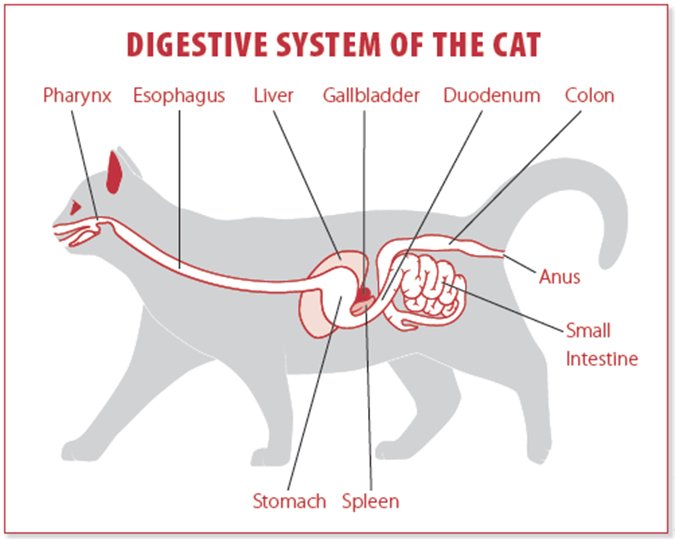
. Other less common causes are tumors inflammatory bowel disease diabetes and certain medications. Clinical approaches Cats with biliary disease are evaluated because of common feline clinical signs such as anorexia nausea vomiting and lethargy. Nonsuppurative CCHS may be caused by immune-mediated disease a condition where the body attacks itself.
Hepatic encephalopathy is a neurologic syndrome caused by liver dysfunction and is seen. When cats develop certain types of liver disease such as cholangiohepatitis or hepatic lipidosis sometimes called fatty liver disease the accompanying inflammation can cause a bile traffic jam in the liver and biliary ducts. Reading several different medical sources there are several causes of inflammation of the bile duct and gallbladder in cats that can include malfunctioning muscles in the gallbladder.
In most cases it happens suddenly without a reason. Symptoms of an inflamed gallbladder or bile duct are similar to those produced by liver disease and can include a loss of appetite jaundice and vomiting. In this case the tissues of the gall bladder or bile ducts are attacked by the proliferation of tissues that partially or completely block the bile ducts or by tumors.
Obstructive disease non-obstructive disease and rupture. Acute liver failure results in sudden loss of liver. In cats cysts or inflammation of the bile ducts can lead to failure of the bile to flow normally.
Other bacteria include Proteus Staphylococcus and Streptococcus. The parenchyma is usually affected secondarily to systemic illnesses while the biliary system is the prime target for infectious agents eg bacteria and flukes and non-infectious conditions eg neoplasia and cysts. Inflammation of the gallbladder cholecystitis is usually caused by bacterial infections that start in the intestines and either travel up the bile duct or are spread through the blood.
Coli is the most common bacteria to infect the cats bladder. Gallbladder disorders are generally divided into three categories. Lack of appetite or conversely sudden excessive appetite Weight loss Vomiting Abdominal pain Abdominal swelling Lethargy Fever Swollen lymph nodes Jaundice yellowing of mucous membranes.
How do cats get gallbladder infection. Most of the time in cats the cause is unknown. This observation is interesting from the standpoint that previous studies suggest that the presence of bacteria in the bile of cats is pathologic1 5 Bacterial pathogenicity could explain why the presence of infection was significantly associated with abnormal gallbladder US findings in these cats.
Your cat could be suffering from a bacterial infection or a tumor or the gallbladder could be malfunctioning. Disorders of the Liver and Gallbladder in Cats Complications of Liver Disease. Stones could result from too much calcium or cholesterol in the bile.
Cholecystectomy the surgical removal of the gallbladder may be recommended in cases of. Symptoms of Gallbladder Problems in Cats. Gallbladder US findings in cats that were significantly associated with.
Antibiotics for treating bacterial infections or for preventing infection. Many maybe most gall stones found in dogs and cats are clinically insignificant and only serve. Typically both the ALT and SAP are increased and icterus is common.
Your veterinarian will discuss the specifics of your cats condition based on the results of diagnostic. Gallbladder problems in cats are not common but when they do occur they generally affect middle-aged and older cats. A restricted blood supply to the gallbladder wall.
Survival rate among dogs with surgically. Dogs and cats with liver disease may also have gallbladder problems. Underlying health conditions especially inflammatory bowel disease IBD liver or gallbladder disease or diabetes mellitus.
The term triaditis refers to concurrent inflammation of three separate organs that occur in the same patient. Conventional veterinary treatment for liver disease in pets depends on the cause of the illness. 6 Dogs tend to have a better prognosis compared to.
In cats with triaditis the affected organs are the intestines the pancreas and the biliary tract. Treatment for biliary tract disorder in cats Medical management options include. However for the times when there is a known cause it often falls into one of these categories.
Recognizing the symptoms of cholangitis and taking your cat to the vet for a formal diagnosis can help you keep your cat healthy. This is especially true when. Previous abdominal surgery that can lead to sensitivity.
Gallbladder sludge GBS is defined as precipitated particulate matter dispersed in a viscous liquid phase within bile It is occasionally identified in cats during abdominal ultrasound examinations and appears sonographically as mobile echoes of variable amplitude without acoustic shadowing that tend to accumulate in the dependent portion of the gallbladder Figure. Managed gallbladder disease was high 86 in a recent study. Trauma to the abdomen.
Your veterinarian will need to confirm or rule out diseases of the liver pancreatitis inflammation of the bile duct or gallbladder and distension of the gallbladder from an inappropriate accumulation of mucus. Practical relevance Diseases of the biliary tree and gallbladder are more common in cats than diseases of the liver parenchyma. Pancreatitis Bowel Disease Gall Bladder Disease in Cats.
It usually occurs at the same time as cholangiohepatitis which is the inflammation of the gall bladder and surrounding liver tissue. Bacterial infections in the intestine or blood that. Other causes include body-wide diseases tumors abdominal trauma and obstruction of the bile duct.
Dogs that have evidence of antibiotic responsive hepatobiliary tract disease may have a bacterial cholecystitis. Pancreatitis in cats also often happens along with liver or gallbladder disease but the exact cause is generally unknown. Most dogs with cholecystitis do not have discernable gall stones.
When these organs are inflamed they are called inflammatory bowel disease pancreatitis and cholangitis respectively. Deciding with your vet what the best options are. Mucosal hyperplasia was suspected if there was villous prolif-eration of the mucosal surface of the gallbladder wall13 The pres-.
Inflammation can cause stone formation.

Pathological Manifestations Of Platynosomum Fastosum Infection In A Download Scientific Diagram
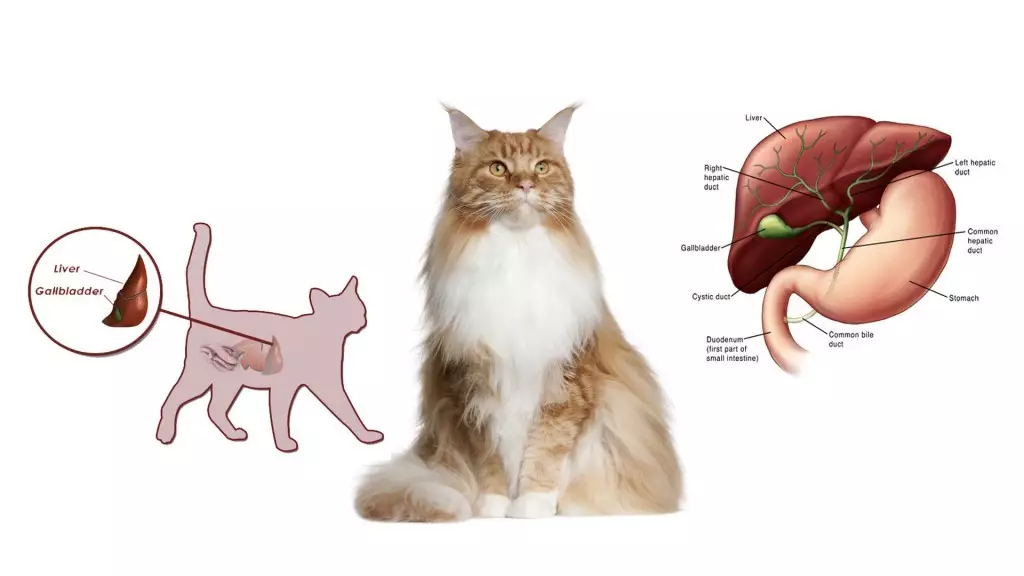
Biliary Tract Disorder In Cats
Gallstones May Show No Signs Catwatch Newsletter
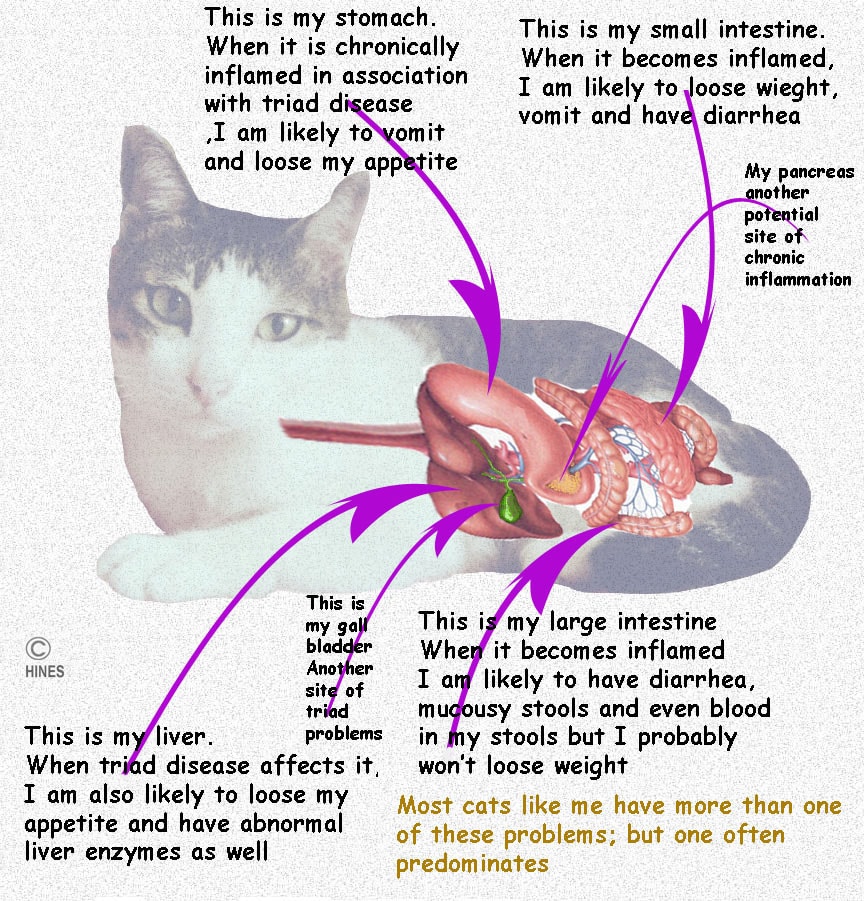
Liver And Gall Bladder Disease In Your Cat Cholangiohepatitis Triaditis Ron Hines Vetspace 2nd Chance The Animal Health Website


Comments
Post a Comment